


Thank you! Your submission has been received!
Oops! Something went wrong while submitting the form.
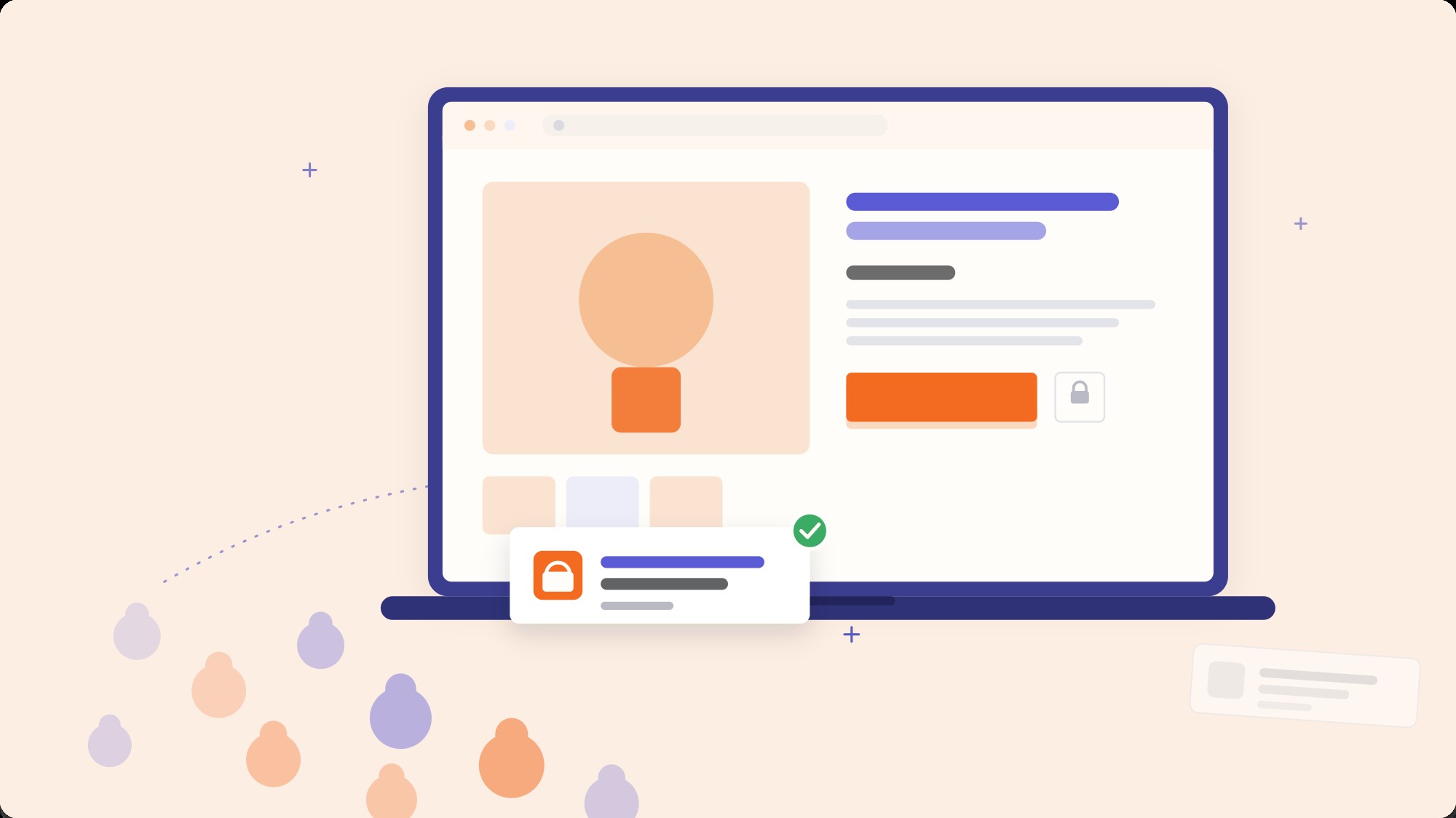




Black Friday has a paradox built into it. You spend months and a real ad budget driving the biggest traffic spike of the year, and most of that traffic has never heard of you. New visitors, cold from an ad or a deal roundup, comparing five tabs at once. Volume is not your problem in November. Trust is.
Social proof is how you close that trust gap at the exact moment a shopper is deciding. And the work that makes it convert on Black Friday starts now, about 125 days out, not the week of.
The rest of the year, a decent share of your traffic already knows you. They came back, they read a review, they got an email. On Black Friday that ratio flips. The person on your product page is often meeting your brand for the first time, under time pressure, surrounded by competitors running the same discount.
That shopper is asking one quiet question: is this store legit, and are other people actually buying this? Social proof answers it before they have to think about it. Recent, specific, verifiable activity tells a stranger that real customers just did the thing they are hesitating to do.
Not all social proof pulls the same weight during a sale. Three kinds do the heavy lifting:
Verified purchase notifications. A real, recent order shown on the page ("Marina from Lisbon bought the Linen Dress, moments ago"). It is specific, it names a product, and it carries a verified marker so it reads as fact, not marketing.
Live activity. How many people are viewing or buying right now. On a high-traffic day this is genuinely true, so it lands as information rather than pressure.
Urgency without the gimmicks. Real low-stock counts and real deadlines. Fake countdowns train shoppers to distrust you, which is the opposite of what you want when trust is the whole game.
A popup that says "someone bought something" does nothing. There is no name, no product, nothing a shopper can picture or check. It reads as a widget, and shoppers have learned to scroll past widgets.
Verified proof is the opposite. It names the buyer's city, the actual product, the time, and it can be checked. That is the difference between decoration and evidence. If you only fix one thing before Black Friday, make your proof specific and verifiable. (More on this in our guide to verified vs generic social proof.)
You do not need a huge project. You need the right proof in the right places before the traffic arrives:
It is easy to end the weekend proud of 40,000 impressions. Impressions do not pay the bills. The number that matters is revenue per notification: how much sales your social proof actually drove. Track that, and you will know what to keep for Cyber Monday and what to cut.
The stores that win Black Friday are not the ones who bolt on a popup the night before. They set up verified social proof early, test it on normal traffic, and walk into the peak with proof that already works.
If you want that in place, install Fomo and set up verified notifications on the pages that convert. Give your holiday traffic a reason to trust you, and let the sales follow. See also our complete guide to social proof for Shopify.


Keep reading, and you’ll learn several social proof strategies you can use to make your potential customers more likely to hit the “Buy” button.
%201.svg)
Don't settle for mediocrity! Experience the power of Fomo and witness a significant boost in trust and conversions on your website - just like 3500+ other businesses!
Try fomo for free now%201.svg)
Don't settle for mediocrity! Experience the power of Fomo and witness a significant boost in trust and conversions on your website - just like 3500+ other businesses!
Try fomo for free now.png)
Social proof examples, the types that convert, and how to add social proof to your Shopify store. The complete guide for ecommerce.
Don't settle for mediocrity! Experience the power of Fomo and witness a significant boost in trust and conversions on your website - just like 3500+ other businesses!
Try fomo for free now

Boost your sales and conversion with Social Proof
Try Fomo for free*No credit card required